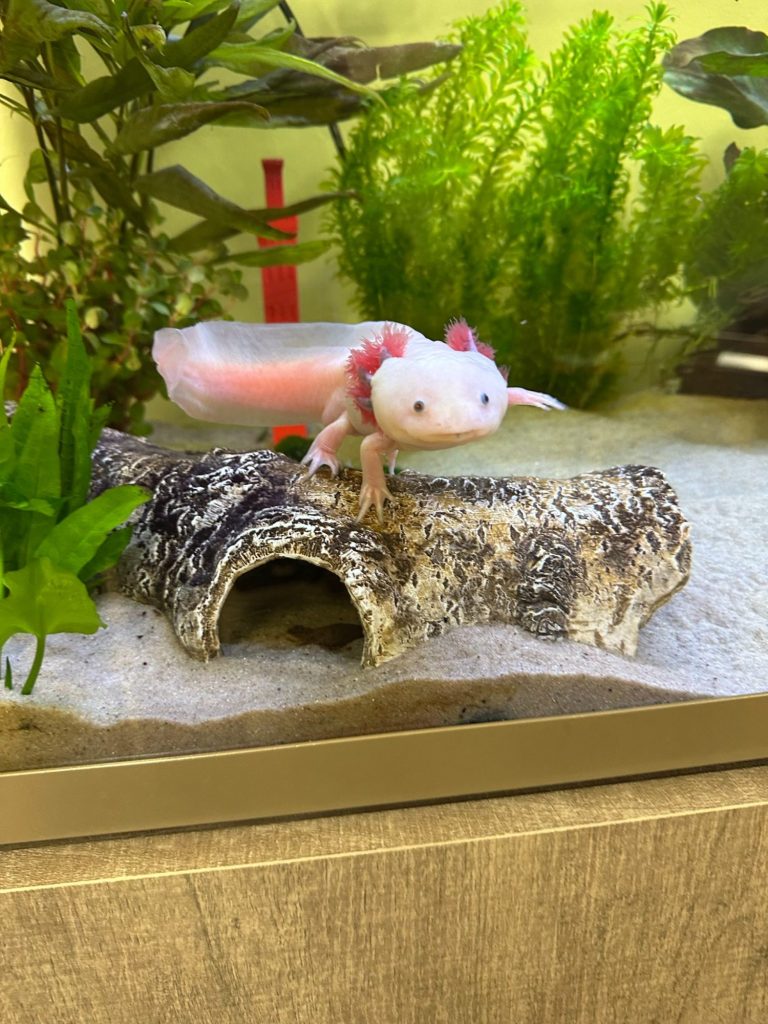
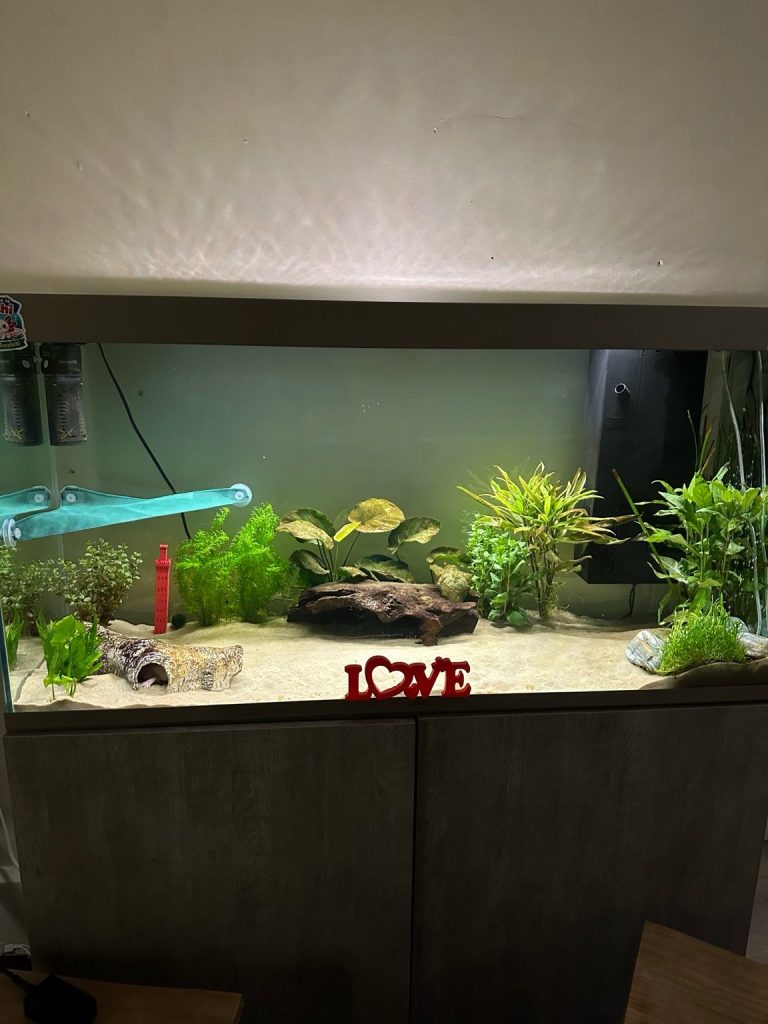
Meet Sushi the Axolotl
A small resident with a big impact
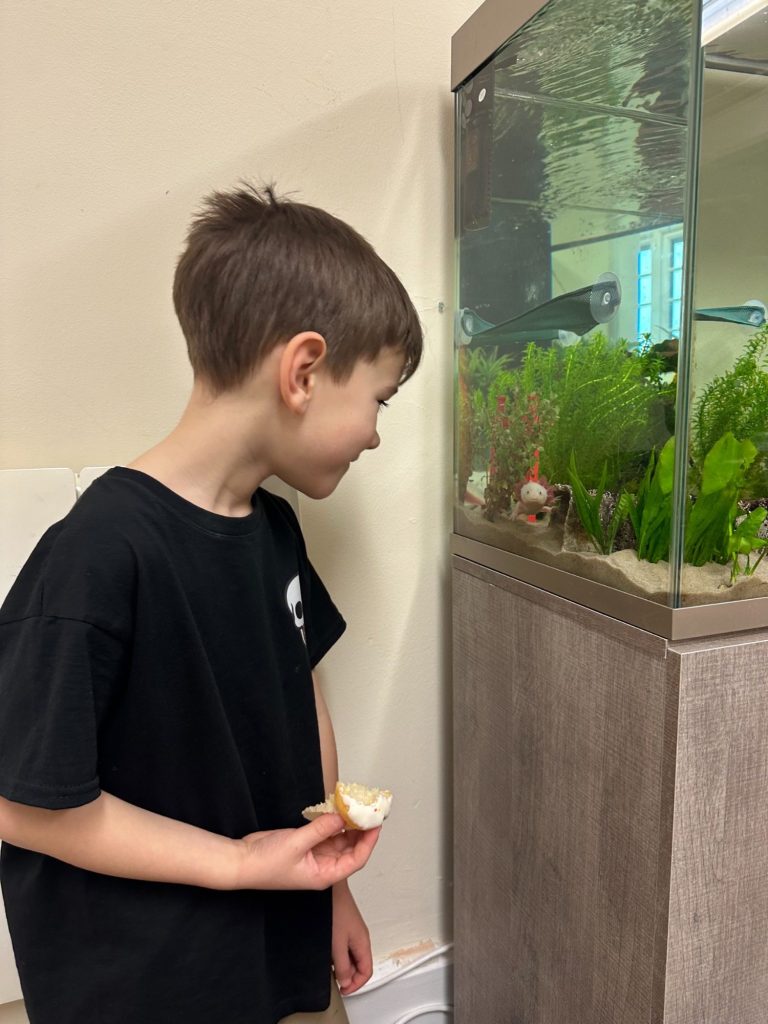
Sushi supports our wider work by strengthening the environment around the children and young people. For many neurodivergent young people, calm, predictable sensory input can reduce overwhelm and help them feel safe enough to participate.
What Sushi helps us deliver:
Improved emotional regulation through calm visual focus and routine
Increased engagement during sessions for children who struggle to settle
Social connection through shared interests and gentle conversation prompts
Confidence and responsibility for young people involved in care routines
Sushi is part of our practical, low-cost approach to improving participation, wellbeing and belonging in community settings.
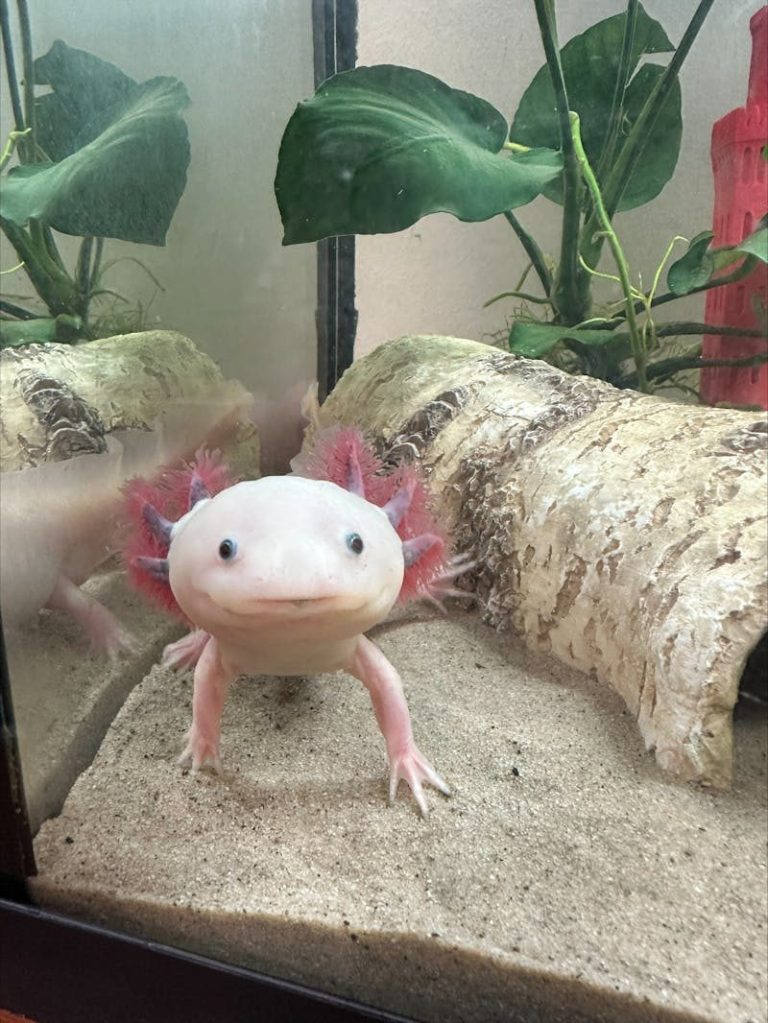
How Sushi Became Part of the Team
Sushi joined us to help create a calmer, more inclusive space, one where children and young people can take a breather, find a focus, and feel comfortable being themselves. Sushi quickly became a favourite, especially for young people who love animals, nature, or have a special interest in aquatic life.
Fun Facts
* Sushi is a leucistic axolotl (pink body with dark eyes), one of the most popular varieties.
* Sushi's feathery “hair” isn’t hair, it’s external gills that help him breathe underwater.
* Sushi doesn't have eyelids.
* Sushi (like all axolotls) can regenerate limbs, parts of his spinal cord, heart tissue, and even parts of his brain.
* Sushi is ok being alone. Axolotls are solitary, but can live with other, similar size axolotls. Because Sushi has always been on his own and the impact it may have on him and his habitat, he will remain an 'only axolotl.
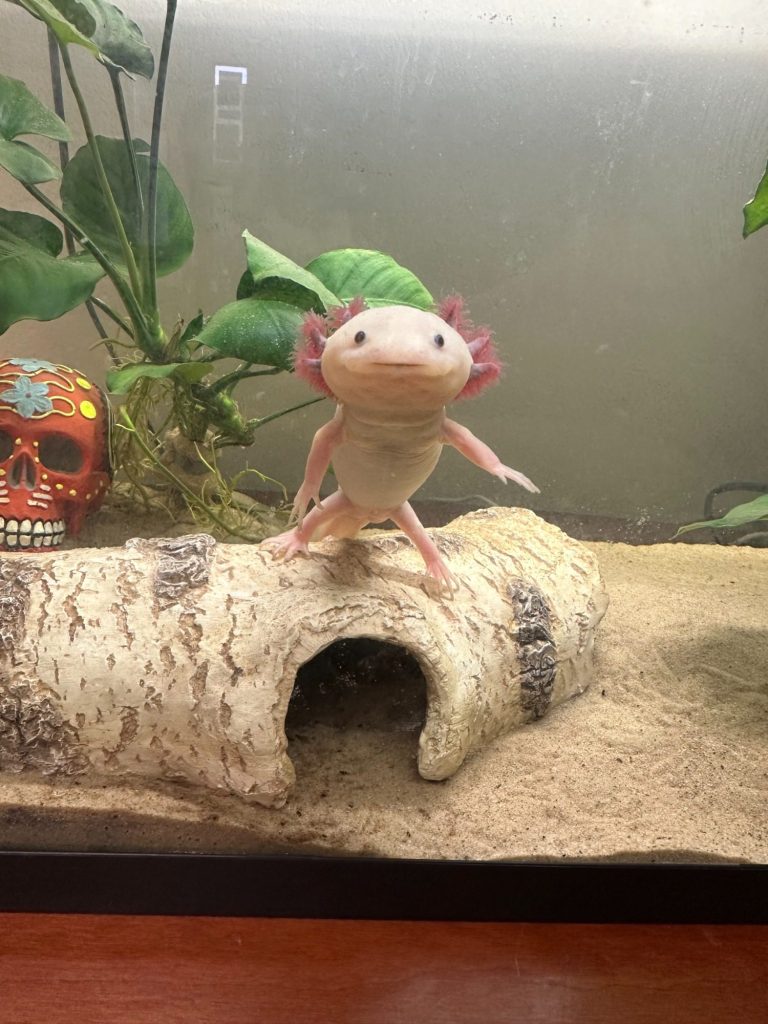
Support Sushi’s Care & Community Impact
Why Your Support Matters
Sushi isn’t just an axolotl, he’s part of our learning environment, our sensory engagement work, and our wider neurodivergent-affirming community offer.
Caring for an axolotl properly requires consistent, specialist upkeep. Donations directly contribute to:
- Water testing & treatment supplies (axolotls are highly sensitive to water quality)
- Filter systems & tank maintenance
- Specialist food & enrichment
- Replacement equipment & contingency care
- Creation of educational worksheets and accessible learning resources
This ensures Sushi remains healthy, safe, and able to continue supporting learning, curiosity, and calm sensory engagement.
Your donation doesn’t just maintain a tank. It helps us:
- Create inclusive, low-pressure educational materials
- Provide gentle science-based learning opportunities
- Offer engaging content for families who may struggle with traditional settings
- Sustain a small but meaningful part of our community provision
For many of the children and young people we support, predictable, calm environments and animal-based learning make a real difference.
What Your Donation Can Do
£3 – Contributes towards water testing and weekly care supplies
£8 – Supports food and tank maintenance
£15 – Helps cover filter replacements or equipment upkeep
As a community-rooted CIC, we ensure:
- Funds are used appropriately and responsibly
- Sushi’s welfare is prioritised
- Any additional income generated through donations or supporter plans contributes to sustaining our wider inclusive activities
A small donation goes a long way in keeping Sushi healthy and continuing to inspire curiosity, learning, and connection.